Temporary exhibition hall (Floor 1)
Jesús Navarro and Rocío Santa Cruz
€5
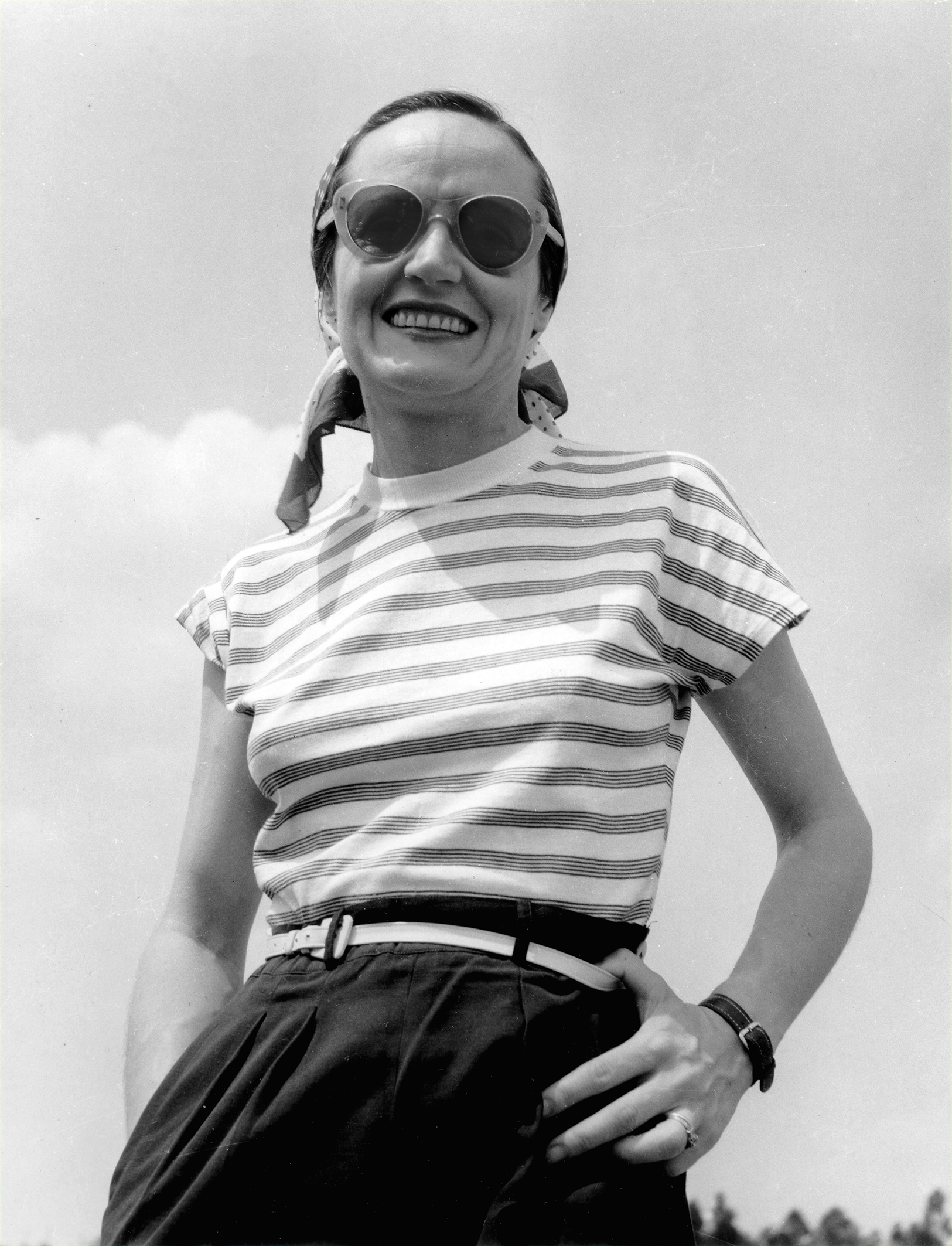
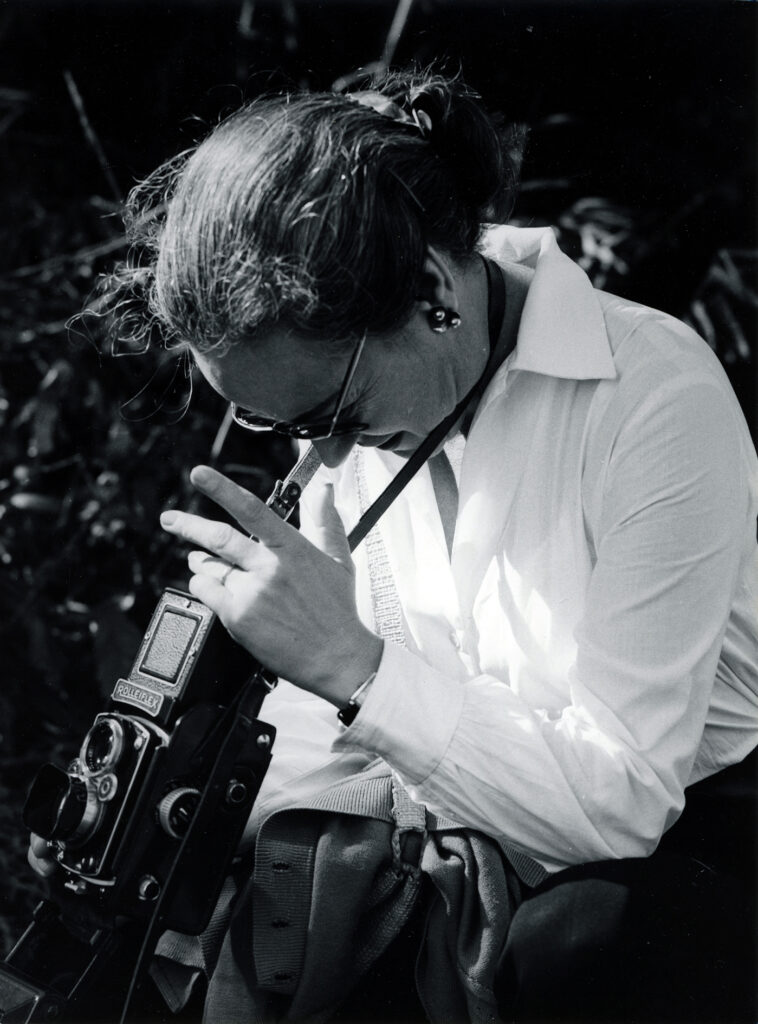
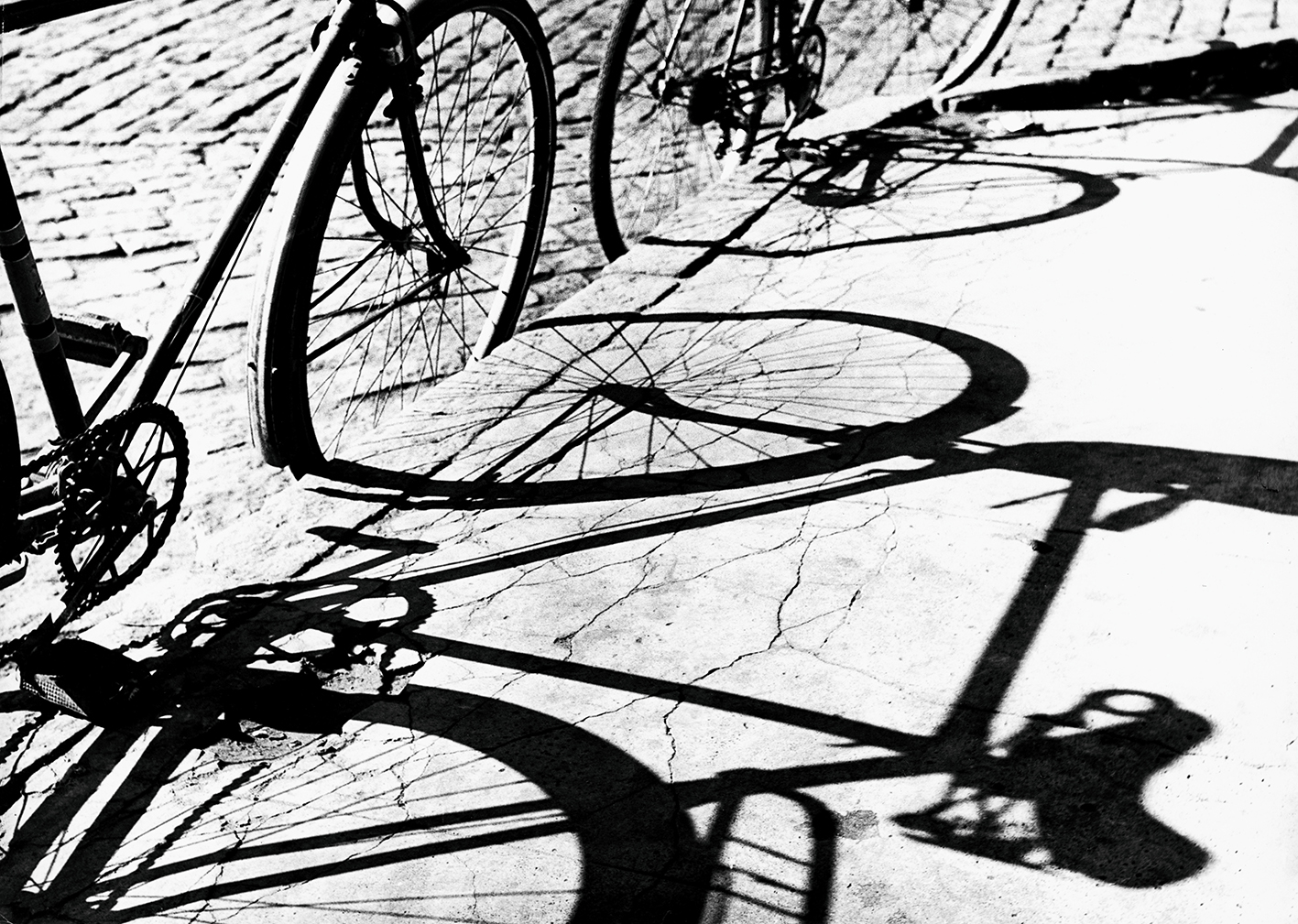
Under the title, Palmira Puig. Perspectives revealed , a retrospective exhibition dedicated to Palmira Puig Ximénez (Tàrrega, Lleida, 1912 – Barcelona, 1979), one of the main Catalan photographers in exile, is being held, which brings together a careful selection of photographs and documentary material, covering her career since the early thirties, accompanied by photographs of her husband and also photographer Marcel Giró, as well as works by other colleagues in the modern Brazilian movement.
.
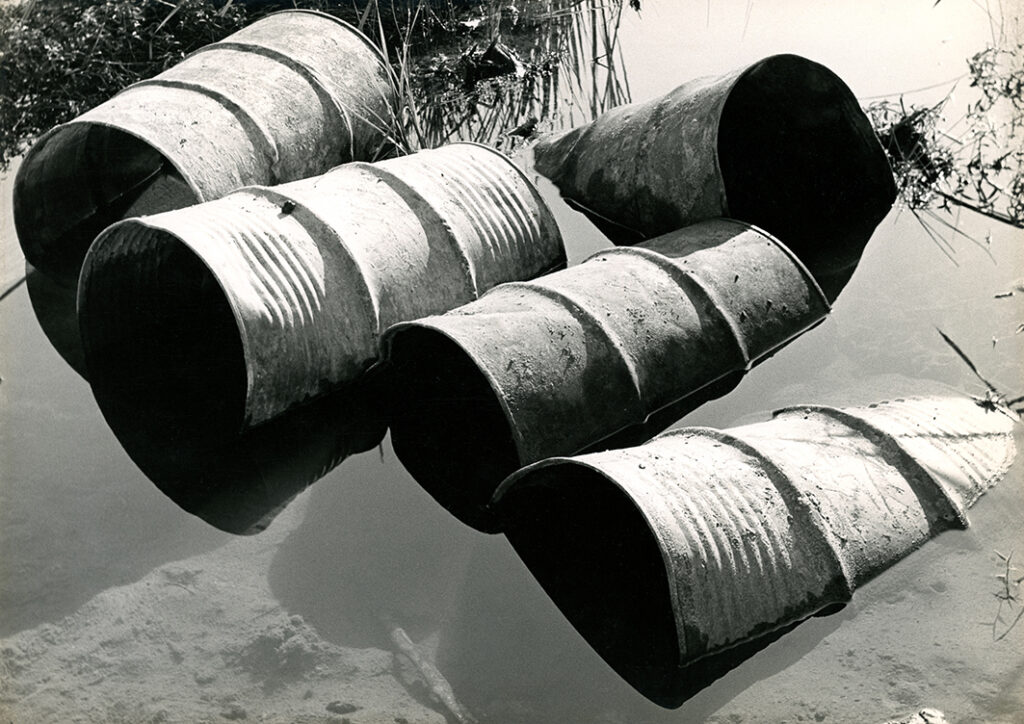
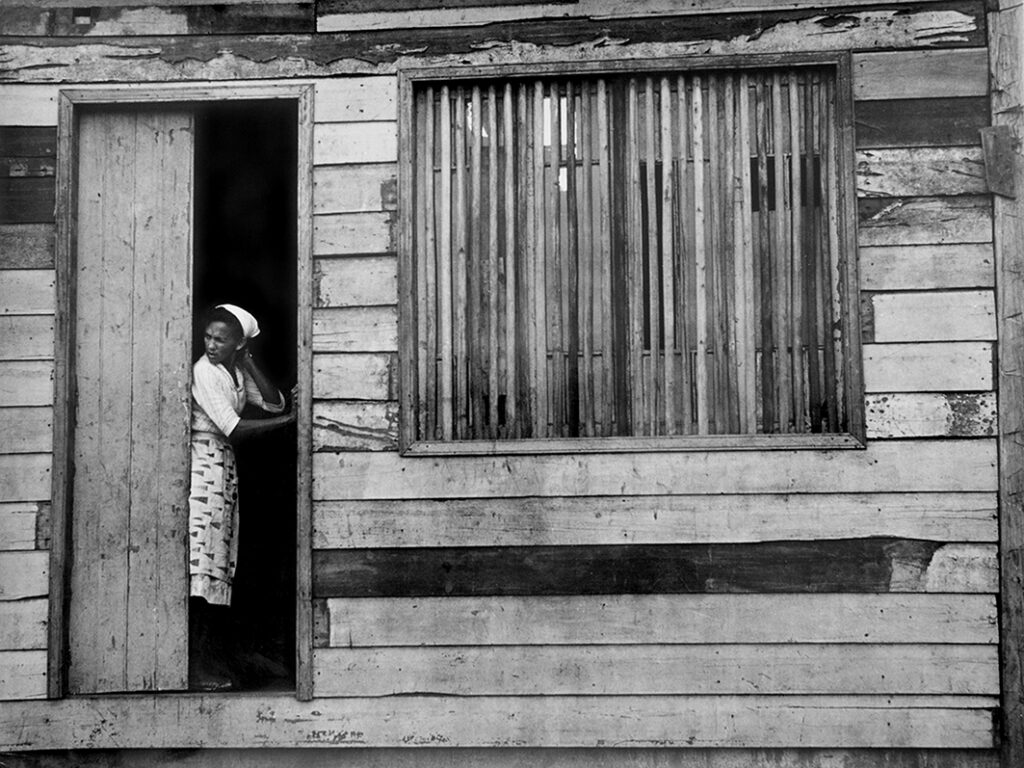
Untitled, c. 1950 – Waiting for my daughter. c. 1950
.
Palmira Puig was a Catalan photographer who lived in Brazil and was part of the Foto Cine Clube Bandeirante (FCCB) , a fairly important group internationally that promoted a movement that claimed photography as an autonomous artistic expression. Beyond her work as a publicist at Estúdio Giró, Palmira Puig, together with her husband and also photographer Marcel Giró, developed a photography that sought artistic expression with its own language. The human figure and its environment were part of the “new figurativism” that emerged in the late 1950s at the Paulist School, the name given to the group that practiced modern photography within the FCCB.
Palmira Puig was one of the women who most often participated in the organization’s national and international exhibitions, along with Gertrudes Altschul, Barbara Mors, Dulce G. Carneiro, Menha S. Polacov, Maria Helena S. Valente da Cruz and Alice A. Kanji. They were few, very few, compared to the number and prestige achieved by their male colleagues, who were often their husbands. However, they embraced modernity and assimilated the legacy of the interwar avant-garde that the important colony of Central European exiles had brought to America.
Palmira Puig, also known in Brazil as Palmira Giró, was born in 1912 in Tàrrega (Lleida) into a family with a strong cultural and intellectual tradition. She studied commercial appraisal and during the Civil War collaborated with the Generalitat de Catalunya.
In 1942 she married Marcel Giró (Badalona, 1913 – Mira-sol, 2011) by proxy and that same year she traveled to Colombia to meet him. Shortly after, they settled in São Paulo, where they lived for 30 years. In Brazil, Marcel Giró resumed his passion for photography and in 1953 they opened Estúdio Giró. Both were prominent members of what became known as the Paulista School. This movement, a pioneer of modern photography in Brazil, was born around the Foto Cine Clube Bandeirante in the 1950s. This group began to question pictorialism and incorporated modern aesthetics into Brazilian photography.
In 1956, Palmira Puig was the first woman accepted as a member of the Foto Cine Clube Bandeirante of São Paulo, and she exhibited some of her photographs there, along with Gertrudes Altschul, Menha S. Polacow, Barbara Mors and Dulce G. Carneiro.
Palmira Puig-Giró’s work is articulated in the experimentation and audacity of the treatment she gave to her black and white images. The most important corpus of her work is characterized by the poetry and elegance that her still lifes, landscapes and portraits exude. A great delicacy will always permeate her photographs. The human figure and its environment are part of the new figurativism that emerged in the late 1950s with the Paulista School.
With the support of:

Under the title, Palmira Puig. Perspectives revealed , a retrospective exhibition dedicated to Palmira Puig Ximénez (Tàrrega, Lleida, 1912 – Barcelona, 1979), one of the main Catalan photographers in exile, is being held, which brings together a careful selection of photographs and documentary material, covering her career since the early thirties, accompanied by photographs of her husband and also photographer Marcel Giró, as well as works by other colleagues in the modern Brazilian movement.
.
Untitled, c. 1950 – Waiting for my daughter. c. 1950
.
Palmira Puig was a Catalan photographer who lived in Brazil and was part of the Foto Cine Clube Bandeirante (FCCB) , a fairly important group internationally that promoted a movement that claimed photography as an autonomous artistic expression. Beyond her work as a publicist at Estúdio Giró, Palmira Puig, together with her husband and also photographer Marcel Giró, developed a photography that sought artistic expression with its own language. The human figure and its environment were part of the “new figurativism” that emerged in the late 1950s at the Paulist School, the name given to the group that practiced modern photography within the FCCB.
Palmira Puig was one of the women who most often participated in the organization’s national and international exhibitions, along with Gertrudes Altschul, Barbara Mors, Dulce G. Carneiro, Menha S. Polacov, Maria Helena S. Valente da Cruz and Alice A. Kanji. They were few, very few, compared to the number and prestige achieved by their male colleagues, who were often their husbands. However, they embraced modernity and assimilated the legacy of the interwar avant-garde that the important colony of Central European exiles had brought to America.
Palmira Puig, also known in Brazil as Palmira Giró, was born in 1912 in Tàrrega (Lleida) into a family with a strong cultural and intellectual tradition. She studied commercial appraisal and during the Civil War collaborated with the Generalitat de Catalunya.
In 1942 she married Marcel Giró (Badalona, 1913 – Mira-sol, 2011) by proxy and that same year she traveled to Colombia to meet him. Shortly after, they settled in São Paulo, where they lived for 30 years. In Brazil, Marcel Giró resumed his passion for photography and in 1953 they opened Estúdio Giró. Both were prominent members of what became known as the Paulista School. This movement, a pioneer of modern photography in Brazil, was born around the Foto Cine Clube Bandeirante in the 1950s. This group began to question pictorialism and incorporated modern aesthetics into Brazilian photography.
In 1956, Palmira Puig was the first woman accepted as a member of the Foto Cine Clube Bandeirante of São Paulo, and she exhibited some of her photographs there, along with Gertrudes Altschul, Menha S. Polacow, Barbara Mors and Dulce G. Carneiro.
Palmira Puig-Giró’s work is articulated in the experimentation and audacity of the treatment she gave to her black and white images. The most important corpus of her work is characterized by the poetry and elegance that her still lifes, landscapes and portraits exude. A great delicacy will always permeate her photographs. The human figure and its environment are part of the new figurativism that emerged in the late 1950s with the Paulista School.
With the support of:
Every Saturday at 11:30am

Exhibition hall